
Bisabolol
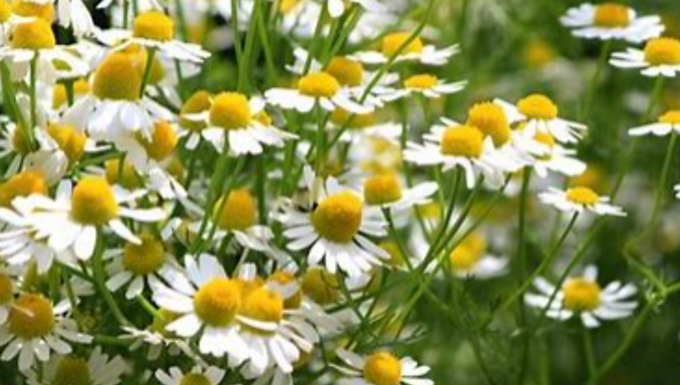
The bisabolol compound used in skincare is primarily derived from German chamomile (Matricaria chamomilla), a flowering herb known for its soothing and anti-inflammatory properties. Chamomile flowers contain alpha-bisabolol, a compound that helps calm irritated skin, reduce redness, and support skin healing.
Plant Information
Common Name: German Chamomile (source of Bisabolol)
Scientific Name: Matricaria chamomilla (also Matricaria recutita)
Family: Asteraceae (Daisy family)
Plant Type: Annual flowering herb
Key Compound: Alpha-bisabolol, chamazulene, flavonoids, terpenoids
Origin: Europe and Western Asia
Appearance: Small herb with feathery leaves and daisy-like flowers with white petals and yellow centers
About the Plant
Bisabolol is not a plant itself but a naturally occurring compound primarily derived from German chamomile (Matricaria chamomilla). It is one of the key active components in chamomile essential oil.
Chamomile flowers are rich in soothing compounds, especially alpha-bisabolol, which is widely used in skincare for its anti-inflammatory, calming, and skin-repair-supporting properties.
Because of its gentle nature, bisabolol is commonly included in products designed for sensitive, irritated, or damaged skin.
How Does This plant Grows?
German chamomile grows best in temperate climates with full sunlight.
Seed germination – small seeds sprout in warm soil.
Leaf development – delicate, feathery leaves form.
Flowering stage – white and yellow flowers bloom.
Harvest stage – flowers are collected and distilled for essential oil extraction.
Skin Care Benefits
Bisabolol is widely used in skincare for its powerful soothing and protective properties.
Anti-Inflammatory Effects - Helps reduce redness, irritation, and inflammation.
Skin Soothing - Ideal for calming sensitive or reactive skin.
Skin Repair Support - May support healing and recovery of damaged skin.
Antioxidant Protection - Helps protect skin from environmental stress.
Enhanced Ingredient Absorption - Can improve penetration of other active ingredients.
Common uses include:
facial creams
serums
after-sun products
soothing lotions
baby skincare products
Reasons People Use Bisabolol in skincare
Bisabolol is valued in cosmetic formulations because it:
• Calms irritated and sensitive skin
• Reduces redness and inflammation
• Supports skin healing
• Enhances effectiveness of other ingredients
• Is gentle and well-tolerated
It is especially popular in soothing, restorative, and sensitive-skin formulations.
Clinical Findings
Scientific research supports several benefits of bisabolol.
Anti-Inflammatory Activity - Bisabolol has been shown to reduce inflammation and skin irritation.
Wound Healing Support - Studies suggest it may support tissue repair and regeneration.
Antimicrobial Effects - Bisabolol shows activity against certain bacteria and fungi.
Skin Protection - May help protect skin from environmental stressors.
About the Science
Bisabolol is a sesquiterpene alcohol found in chamomile essential oil.
Major compounds in chamomile include
• Alpha-bisabolol
• Chamazulene
• Flavonoid
• Terpenoids
These contribute to:
anti-inflammatory effects
antioxidant properties
soothing and calming action
antimicrobial activity
Bisabolol is typically obtained through steam distillation of chamomile flowers or can be produced synthetically for consistent quality.
Use in Ancient Medicine
Chamomile has been used medicinally for thousands of years.
Ancient Egyptian Medicine - Used to treat skin conditions and inflammation.
Greek and Roman Medicine - Applied to wounds and skin irritation.
Traditional European Herbal Medicine - Used as a calming and healing remedy.
These historical uses laid the foundation for modern bisabolol use in skincare.
Symbolism
Chamomile and its compounds carry symbolic meanings.
Calm and peace - Represents relaxation and tranquility
Healing and comfort - Associated with soothing and care
Resilience - Known for thriving in various conditions
References
Journal of Ethnopharmacology – Chamomile medicinal research
International Journal of Cosmetic Science – Bisabolol in skincare
USDA Plant Database – Matricaria chamomilla
Herbal Medicine: Biomolecular and Clinical Aspects
Handbook of Cosmetic Science and Technology