top of page

Botanical Ingredients

Aloe Vera

Aloe barbadensis miller

Aloe vera is a drought-resistant succulent plant widely valued for its soothing gel, medicinal properties, and skincare benefits. It has been used for centuries in traditional medicine and continues to be an important ingredient in modern skincare and health products.

Aloe vera is a drought-resistant succulent plant widely valued for its soothing gel, medicinal properties, and skincare benefits. It has been used for centuries in traditional medicine and continues to be an important ingredient in modern skincare and health products.

Arrowroot

Maranta arundinacea

Arrowroot (Maranta arundinacea) is a tropical plant valued for its starch-rich rhizomes, which are processed into a fine powder used in skincare and cosmetics. Known for its oil-absorbing, soothing, and texture-enhancing properties, arrowroot is widely used in body powders, deodorants, and natural formulations.

Arrowroot (Maranta arundinacea) is a tropical plant valued for its starch-rich rhizomes, which are processed into a fine powder used in skincare and cosmetics. Known for its oil-absorbing, soothing, and texture-enhancing properties, arrowroot is widely used in body powders, deodorants, and natural formulations.

Avocado

Persea americana

Avocado is a tropical fruit tree valued for its nutritious fruit, beneficial oils, and skincare uses. It has been used historically for food and healing, and modern research continues to explore its health and cosmetic benefits.

Avocado is a tropical fruit tree valued for its nutritious fruit, beneficial oils, and skincare uses. It has been used historically for food and healing, and modern research continues to explore its health and cosmetic benefits.

Bergamot

Citrus bergamia

Bergamot (Citrus bergamia) is a citrus tree known for its aromatic peel oil rich in limonene, linalool, and linalyl acetate. It provides cleansing, oil-balancing, and refreshing properties in skincare.

Bergamot (Citrus bergamia) is a citrus tree known for its aromatic peel oil rich in limonene, linalool, and linalyl acetate. It provides cleansing, oil-balancing, and refreshing properties in skincare.

Bisabolol

Eremanthus erythropappus

The bisabolol compound used in skincare is primarily derived from German chamomile (Matricaria chamomilla), a flowering herb known for its soothing and anti-inflammatory properties. Chamomile flowers contain alpha-bisabolol, a compound that helps calm irritated skin, reduce redness, and support skin healing.

The bisabolol compound used in skincare is primarily derived from German chamomile (Matricaria chamomilla), a flowering herb known for its soothing and anti-inflammatory properties. Chamomile flowers contain alpha-bisabolol, a compound that helps calm irritated skin, reduce redness, and support skin healing.

Brassica Campestris

Brassica rapa

Brassica campestris is a flowering plant in the mustard family cultivated for its oil-rich seeds. The oil derived from these seeds contains essential fatty acids, antioxidants, and phytosterols that support skin hydration, barrier repair, and protection against environmental stress.
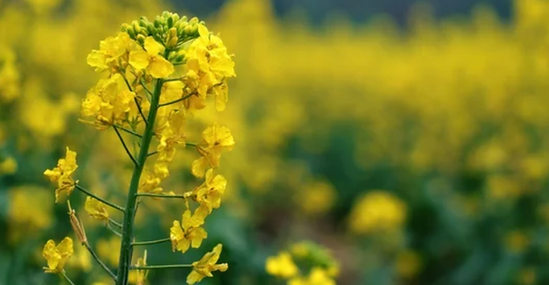
Brassica campestris is a flowering plant in the mustard family cultivated for its oil-rich seeds. The oil derived from these seeds contains essential fatty acids, antioxidants, and phytosterols that support skin hydration, barrier repair, and protection against environmental stress.

Calendula

Calendula officinalis

Calendula (Calendula officinalis) is a medicinal flowering herb native to the Mediterranean region and widely used in herbal medicine and skincare. The bright orange flowers contain powerful bioactive compounds including flavonoids, carotenoids, and triterpenoids.

Calendula (Calendula officinalis) is a medicinal flowering herb native to the Mediterranean region and widely used in herbal medicine and skincare. The bright orange flowers contain powerful bioactive compounds including flavonoids, carotenoids, and triterpenoids.

Candelilla

Euphorbia antisyphilitica

Candelilla (Euphorbia antisyphilitica) is a desert shrub native to northern Mexico and the southwestern United States. The plant produces a natural wax on its stems that is harvested and refined into candelilla wax, an important ingredient in cosmetics and skincare.

Candelilla (Euphorbia antisyphilitica) is a desert shrub native to northern Mexico and the southwestern United States. The plant produces a natural wax on its stems that is harvested and refined into candelilla wax, an important ingredient in cosmetics and skincare.

Carrot Seed

Daucus carota

Carrot seed, derived from the plant Daucus carota, is a botanical ingredient valued in skincare for its antioxidant, nourishing, and skin-rejuvenating properties. Native to Central Asia and the Mediterranean region, the plant produces aromatic seeds rich in carotenoids, terpenes, and vitamin A precursors.

Carrot seed, derived from the plant Daucus carota, is a botanical ingredient valued in skincare for its antioxidant, nourishing, and skin-rejuvenating properties. Native to Central Asia and the Mediterranean region, the plant produces aromatic seeds rich in carotenoids, terpenes, and vitamin A precursors.

Castor Bean

Ricinus communis

The castor plant (Ricinus communis) is a fast-growing tropical plant that produces seeds rich in oil. This oil, known as castor oil, contains high levels of ricinoleic acid and other beneficial fatty acids.

The castor plant (Ricinus communis) is a fast-growing tropical plant that produces seeds rich in oil. This oil, known as castor oil, contains high levels of ricinoleic acid and other beneficial fatty acids.

Chamomilla

Matricaria recutita

Chamomilla, commonly known as chamomile (Matricaria chamomilla), is a medicinal flowering herb widely used in herbal medicine and skincare. Native to Europe and Western Asia, the plant produces small white and yellow flowers rich in bioactive compounds such as bisabolol, chamazulene, and flavonoids.

Chamomilla, commonly known as chamomile (Matricaria chamomilla), is a medicinal flowering herb widely used in herbal medicine and skincare. Native to Europe and Western Asia, the plant produces small white and yellow flowers rich in bioactive compounds such as bisabolol, chamazulene, and flavonoids.

Cocoa Tree

Theobroma cacao

The cocoa tree (Theobroma cacao) is a tropical plant native to Central and South America that produces cocoa beans used to create cocoa butter. This natural fat is rich in fatty acids and antioxidants that provide deep moisturizing, skin barrier protection, and antioxidant benefits.

The cocoa tree (Theobroma cacao) is a tropical plant native to Central and South America that produces cocoa beans used to create cocoa butter. This natural fat is rich in fatty acids and antioxidants that provide deep moisturizing, skin barrier protection, and antioxidant benefits.

Coconut Oil

Cocos nucifera

The coconut palm (Cocos nucifera) is a tropical tree that produces coconuts rich in natural oils. Coconut oil extracted from the coconut flesh contains fatty acids such as lauric acid, which provide moisturizing, antimicrobial, and protective benefits for the skin.

The coconut palm (Cocos nucifera) is a tropical tree that produces coconuts rich in natural oils. Coconut oil extracted from the coconut flesh contains fatty acids such as lauric acid, which provide moisturizing, antimicrobial, and protective benefits for the skin.

Ethyl Alcohol

Ethanol (C₂H₅OH)

Ethyl alcohol (ethanol) is a versatile chemical compound widely used in skincare and cosmetic formulations. Often derived from plant fermentation, it functions as a solvent, antimicrobial agent, and texture enhancer, helping products feel lightweight and absorb quickly.

Ethyl alcohol (ethanol) is a versatile chemical compound widely used in skincare and cosmetic formulations. Often derived from plant fermentation, it functions as a solvent, antimicrobial agent, and texture enhancer, helping products feel lightweight and absorb quickly.

Eucalyptus

Eucalyptus L'Hér

Eucalyptus (Eucalyptus globulus) is an evergreen tree native to Australia known for its aromatic leaves and essential oil rich in eucalyptol. This compound provides antimicrobial, refreshing, and soothing properties, making eucalyptus a popular ingredient in skincare and personal care products.

Eucalyptus (Eucalyptus globulus) is an evergreen tree native to Australia known for its aromatic leaves and essential oil rich in eucalyptol. This compound provides antimicrobial, refreshing, and soothing properties, making eucalyptus a popular ingredient in skincare and personal care products.

Frankincense

Boswellia frereana / Boswellia carterii / Boswellia serrata

The frankincense tree (Boswellia sacra) is a desert tree that produces aromatic resin used for thousands of years in medicine, skincare, and religious rituals. The resin contains boswellic acids and aromatic compounds that provide anti-inflammatory, antioxidant, and soothing properties.
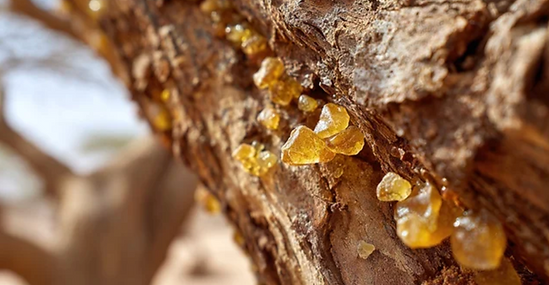
The frankincense tree (Boswellia sacra) is a desert tree that produces aromatic resin used for thousands of years in medicine, skincare, and religious rituals. The resin contains boswellic acids and aromatic compounds that provide anti-inflammatory, antioxidant, and soothing properties.

Grape Seed

Vitis vinifera

The grape vine (Vitis vinifera) is a perennial climbing plant cultivated worldwide for its fruit. The seeds of grapes contain valuable compounds such as linoleic acid, vitamin E, and powerful antioxidants called proanthocyanidins.

The grape vine (Vitis vinifera) is a perennial climbing plant cultivated worldwide for its fruit. The seeds of grapes contain valuable compounds such as linoleic acid, vitamin E, and powerful antioxidants called proanthocyanidins.

Honey

Apis mellifera (Western/European honey bee) / Apis cerana (Eastern/Asiatic honey bee)

Honey is a natural substance produced by honeybees from flower nectar. Rich in natural sugars, enzymes, antioxidants, and bioactive compounds, honey provides moisturizing, antimicrobial, soothing, and healing benefits for the skin.
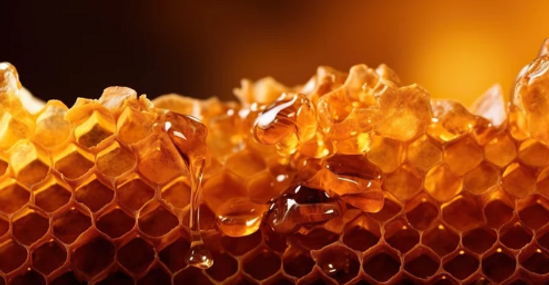
Honey is a natural substance produced by honeybees from flower nectar. Rich in natural sugars, enzymes, antioxidants, and bioactive compounds, honey provides moisturizing, antimicrobial, soothing, and healing benefits for the skin.

Hydrolyzed Wheat Protein

Triticum vulgare (or Triticum aestivum)

Hydrolyzed wheat protein is a cosmetic ingredient derived from the wheat plant (Triticum aestivum). Through hydrolysis, wheat proteins are broken down into smaller peptides and amino acids that help improve skin hydration, conditioning, and barrier support.

Hydrolyzed wheat protein is a cosmetic ingredient derived from the wheat plant (Triticum aestivum). Through hydrolysis, wheat proteins are broken down into smaller peptides and amino acids that help improve skin hydration, conditioning, and barrier support.

Jojoba

Simmondsia chinensis

The jojoba plant (Simmondsia chinensis) is a desert shrub that produces seeds rich in a unique liquid wax known as jojoba oil. This oil closely resembles the skin’s natural sebum, allowing it to moisturize and protect the skin effectively without clogging pores.

The jojoba plant (Simmondsia chinensis) is a desert shrub that produces seeds rich in a unique liquid wax known as jojoba oil. This oil closely resembles the skin’s natural sebum, allowing it to moisturize and protect the skin effectively without clogging pores.

Lanolin

Adeps lanae

Lanolin is a natural wax derived from sheep wool, primarily from the species Ovis aries. Its unique composition of fatty acids, sterols, and wax esters closely resembles the natural lipids found in human skin.

Lanolin is a natural wax derived from sheep wool, primarily from the species Ovis aries. Its unique composition of fatty acids, sterols, and wax esters closely resembles the natural lipids found in human skin.

Lavender

Lavandula angustifolia

Lavender (Lavandula angustifolia) is a perennial herb native to the Mediterranean region and widely cultivated for its fragrant purple flowers. The essential oil extracted from lavender flowers contains compounds such as linalool and linalyl acetate, which provide calming, antimicrobial, and anti-inflammatory effects.

Lavender (Lavandula angustifolia) is a perennial herb native to the Mediterranean region and widely cultivated for its fragrant purple flowers. The essential oil extracted from lavender flowers contains compounds such as linalool and linalyl acetate, which provide calming, antimicrobial, and anti-inflammatory effects.

Mentha arvensis

Mentha arvensis L

Mentha arvensis (corn mint) is a perennial herb known for its high menthol content and strong cooling properties. Rich in menthol and essential oils, it provides refreshing, soothing, and antimicrobial benefits for the skin.

Mentha arvensis (corn mint) is a perennial herb known for its high menthol content and strong cooling properties. Rich in menthol and essential oils, it provides refreshing, soothing, and antimicrobial benefits for the skin.

Mineral Salts

Halite (KAl(SO₄)₂·12H₂O)

Mineral salts are naturally occurring inorganic compounds derived from oceans and geological deposits. Rich in essential minerals such as magnesium, calcium, and potassium, they provide exfoliating, soothing, and skin-supporting benefits.

Mineral salts are naturally occurring inorganic compounds derived from oceans and geological deposits. Rich in essential minerals such as magnesium, calcium, and potassium, they provide exfoliating, soothing, and skin-supporting benefits.

Neem Seed

Azadirachta indica

The neem tree (Azadirachta indica) is a tropical plant known for its powerful medicinal properties. Neem seeds produce an oil rich in compounds such as azadirachtin and nimbidin, which provide antimicrobial, anti-inflammatory, and skin-purifying benefits.

The neem tree (Azadirachta indica) is a tropical plant known for its powerful medicinal properties. Neem seeds produce an oil rich in compounds such as azadirachtin and nimbidin, which provide antimicrobial, anti-inflammatory, and skin-purifying benefits.

Neroli

Citrus aurantium var. amara

Neroli is an essential oil derived from the blossoms of the bitter orange tree (Citrus aurantium). Rich in aromatic compounds like linalool and linalyl acetate, neroli provides balancing, soothing, and antioxidant benefits for the skin.

Neroli is an essential oil derived from the blossoms of the bitter orange tree (Citrus aurantium). Rich in aromatic compounds like linalool and linalyl acetate, neroli provides balancing, soothing, and antioxidant benefits for the skin.

Olive Seed

Olea europaea

The olive tree (Olea europaea) is a long-lived evergreen tree native to the Mediterranean region. Its fruit produces olive oil, which contains beneficial compounds such as oleic acid, vitamin E, and antioxidants.

The olive tree (Olea europaea) is a long-lived evergreen tree native to the Mediterranean region. Its fruit produces olive oil, which contains beneficial compounds such as oleic acid, vitamin E, and antioxidants.

Patchouli

Pogostemon cablin

Patchouli (Pogostemon cablin) is a tropical herb known for its rich, earthy fragrance and beneficial essential oil. The oil contains compounds such as patchoulol and other sesquiterpenes, which provide soothing, antimicrobial, and antioxidant properties.

Patchouli (Pogostemon cablin) is a tropical herb known for its rich, earthy fragrance and beneficial essential oil. The oil contains compounds such as patchoulol and other sesquiterpenes, which provide soothing, antimicrobial, and antioxidant properties.

Peppermint

Mentha × piperita

Peppermint (Mentha × piperita) is a perennial aromatic herb known for its cooling and refreshing properties. The plant contains menthol and other essential oil compounds that provide antimicrobial, soothing, and invigorating effects.

Peppermint (Mentha × piperita) is a perennial aromatic herb known for its cooling and refreshing properties. The plant contains menthol and other essential oil compounds that provide antimicrobial, soothing, and invigorating effects.

Poppy Seed

Papaver somniferum

The poppy plant (Papaver somniferum) is an annual flowering herb known for its colorful blossoms and seed-filled capsules. The seeds contain beneficial fatty acids and antioxidants that can be used to produce poppy seed oil, a lightweight oil valued for its moisturizing properties.

The poppy plant (Papaver somniferum) is an annual flowering herb known for its colorful blossoms and seed-filled capsules. The seeds contain beneficial fatty acids and antioxidants that can be used to produce poppy seed oil, a lightweight oil valued for its moisturizing properties.

Roman Chamomile

Chamaemelum nobile

Roman chamomile (Chamaemelum nobile) is a perennial herb native to Europe and the Mediterranean region. Its flowers contain essential oils and bioactive compounds such as bisabolol and chamazulene, which provide soothing, anti-inflammatory, and antioxidant benefits.

Roman chamomile (Chamaemelum nobile) is a perennial herb native to Europe and the Mediterranean region. Its flowers contain essential oils and bioactive compounds such as bisabolol and chamazulene, which provide soothing, anti-inflammatory, and antioxidant benefits.

Rose

Rosa

The rose (Rosa damascena) is a perennial flowering shrub known for its fragrant petals and beneficial extracts. Rich in antioxidants, aromatic compounds, and soothing agents, rose provides hydrating, calming, and skin-balancing benefits.

The rose (Rosa damascena) is a perennial flowering shrub known for its fragrant petals and beneficial extracts. Rich in antioxidants, aromatic compounds, and soothing agents, rose provides hydrating, calming, and skin-balancing benefits.

Rosemary

Salvia rosmarinus

Rosemary (Salvia rosmarinus) is an evergreen herb native to the Mediterranean region. Its leaves contain powerful antioxidants and aromatic compounds such as rosmarinic acid and carnosic acid, which provide protective and refreshing benefits for the skin.

Rosemary (Salvia rosmarinus) is an evergreen herb native to the Mediterranean region. Its leaves contain powerful antioxidants and aromatic compounds such as rosmarinic acid and carnosic acid, which provide protective and refreshing benefits for the skin.

Safflower Seed

Carthamus tinctorius

Safflower (Carthamus tinctorius) is an annual flowering plant cultivated for its oil-rich seeds. Safflower seed oil contains essential fatty acids, vitamin E, and antioxidants that help moisturize, protect, and support the skin barrier.

Safflower (Carthamus tinctorius) is an annual flowering plant cultivated for its oil-rich seeds. Safflower seed oil contains essential fatty acids, vitamin E, and antioxidants that help moisturize, protect, and support the skin barrier.

Shea Butter

Vitellaria paradoxa

The shea butter tree (Vitellaria paradoxa) is a tropical African tree known for producing nutrient-rich shea nuts used to make shea butter. Shea butter contains beneficial fatty acids, antioxidants, and vitamins that help moisturize, protect, and soothe the skin.

The shea butter tree (Vitellaria paradoxa) is a tropical African tree known for producing nutrient-rich shea nuts used to make shea butter. Shea butter contains beneficial fatty acids, antioxidants, and vitamins that help moisturize, protect, and soothe the skin.

Sunflower Seed

Helianthus annuus

The sunflower (Helianthus annuus) is a tall, annual flowering plant native to North America, cultivated for its seeds and oil. Sunflower seed oil is rich in linoleic acid, vitamin E, and flavonoids, providing moisturization, skin barrier support, antioxidant protection, and soothing effects.

The sunflower (Helianthus annuus) is a tall, annual flowering plant native to North America, cultivated for its seeds and oil. Sunflower seed oil is rich in linoleic acid, vitamin E, and flavonoids, providing moisturization, skin barrier support, antioxidant protection, and soothing effects.

Sweet Almond

Prunus dulcis

The sweet almond tree (Prunus dulcis) is a deciduous tree native to the Middle East and South Asia. Its seeds produce sweet almond oil, rich in oleic acid, linoleic acid, and vitamin E, which provides moisturization, skin barrier support, antioxidant protection, and soothing effects.

The sweet almond tree (Prunus dulcis) is a deciduous tree native to the Middle East and South Asia. Its seeds produce sweet almond oil, rich in oleic acid, linoleic acid, and vitamin E, which provides moisturization, skin barrier support, antioxidant protection, and soothing effects.

Sweet Orange

Citrus × sinensis

The sweet orange tree (Citrus sinensis) is an evergreen citrus tree native to Southeast Asia that produces aromatic fruit rich in limonene, flavonoids, and vitamin C. Oil extracted from the orange peel is widely used in skincare for its antioxidant, cleansing, and aromatic properties.

The sweet orange tree (Citrus sinensis) is an evergreen citrus tree native to Southeast Asia that produces aromatic fruit rich in limonene, flavonoids, and vitamin C. Oil extracted from the orange peel is widely used in skincare for its antioxidant, cleansing, and aromatic properties.

Tamanu Seed

Calophyllum inophyllum

The tamanu tree (Calophyllum inophyllum) is a tropical evergreen tree native to Southeast Asia and the Pacific Islands. Its seeds produce tamanu oil, a rich botanical oil containing calophyllolide, fatty acids, and antioxidant compounds.

The tamanu tree (Calophyllum inophyllum) is a tropical evergreen tree native to Southeast Asia and the Pacific Islands. Its seeds produce tamanu oil, a rich botanical oil containing calophyllolide, fatty acids, and antioxidant compounds.

Vanilla

Vanilla planifolia

The vanilla plant (Vanilla planifolia) is a tropical orchid vine native to Mexico and Central America that produces aromatic vanilla beans rich in vanillin and antioxidant compounds. Vanilla extracts are widely used in skincare for their pleasant fragrance, soothing properties, and antioxidant benefits.

The vanilla plant (Vanilla planifolia) is a tropical orchid vine native to Mexico and Central America that produces aromatic vanilla beans rich in vanillin and antioxidant compounds. Vanilla extracts are widely used in skincare for their pleasant fragrance, soothing properties, and antioxidant benefits.
bottom of page