
Lavender
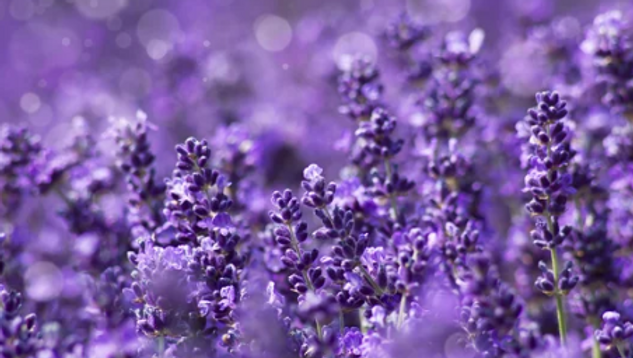
Lavender (Lavandula angustifolia) is a perennial herb native to the Mediterranean region and widely cultivated for its fragrant purple flowers. The essential oil extracted from lavender flowers contains compounds such as linalool and linalyl acetate, which provide calming, antimicrobial, and anti-inflammatory effects.
Plant Information
Common Name: Lavender
Scientific Name: Lavandula angustifolia
Family: Lamiaceae (Mint family)
Plant Type: Perennial flowering herb
Key Compound: Linalool, linalyl acetate, camphor, flavonoids, antioxidants
Origin: Mediterranean region including southern Europe, North Africa, and western Asia
Appearance: Small shrub with narrow gray-green leaves and fragrant purple flower spikes
About the Plant
Lavender (Lavandula angustifolia) is a fragrant flowering herb known for its calming aroma and therapeutic properties. The plant is widely cultivated for its essential oil, which is extracted from the flowers.
Lavender has been used for centuries in perfumes, herbal medicine, and skincare because of its soothing scent and beneficial properties.
The plant is highly valued in cosmetics and aromatherapy due to its ability to calm the skin and promote relaxation.
How does this plant grows?
Lavender thrives in warm, sunny climates and well-drained soils.
Lavender flowers are typically harvested during peak bloom to produce lavender essential oil.
Seed germination – seeds sprout under warm conditions.
Vegetative growth – plants develop woody stems and narrow leaves.
Flowering stage – fragrant purple flowers bloom in spikes.
Harvest stage – flowers are harvested for essential oil extraction.
Skin Care Benefits
Lavender is widely used in skincare because of its soothing and aromatic properties.
Soothing and Calming - Lavender may help reduce redness and calm irritated skin.
Antimicrobial Properties - Lavender oil has natural antibacterial and antifungal properties.
Skin Healing Support - Lavender may help support minor wound healing and skin recovery.
Antioxidant Protection - The plant contains antioxidants that help protect skin from environmental stress.
Aromatherapeutic Benefits - Lavender’s scent promotes relaxation and stress relief.
Lavender is commonly used in:
facial toners
moisturizers
face masks
soaps
essential oil blends
Reasons people use Lavender in Skincare
Lavender is popular in cosmetic formulations because it:
• Provides soothing and calming effects
• Has natural antimicrobial properties
• Adds a pleasant natural fragrance
• Supports skin comfort and relaxation
• Is widely used in aromatherapy
It is particularly valued in sensitive-skin and calming skincare products.
Clinical Findings
Scientific studies have explored the dermatological and therapeutic effects of lavender.
Antimicrobial Activity - Research shows lavender essential oil may inhibit certain bacteria and fungi.
Anti-Inflammatory Effects - Lavender compounds may help reduce inflammation and skin irritation.
Wound Healing - Some studies suggest lavender oil may promote faster wound healing.
Stress Reduction - Lavender aroma has been shown to reduce stress and improve relaxation.
These findings contribute to lavender’s widespread use in skincare and wellness products.
The Science
Lavender contains several biologically active compounds.
Major components include
• Linalool
• Linalyl acetate
• Camphor
• Flavonoids and polyphenols
These compounds contribute to lavender’s:
calming fragrance
antimicrobial effects
anti-inflammatory activity
antioxidant properties
Lavender essential oil is typically obtained through steam distillation of the flowering tops.
Ancient Medicine Usage
Lavender has a long history of use in traditional medicine.
Ancient Egyptian Medicine - Lavender was used in perfumes, cosmetics, and embalming rituals.
Greek and Roman Medicine - Lavender was used in baths, herbal remedies, and skin treatments.
Medieval European Herbal Medicine - Lavender was used to treat headaches, insomnia, and skin irritation.
Because of its calming scent and healing properties, lavender became a staple herb in traditional herbal medicine.
Symbolism of this plant
Lavender has symbolic meaning across many cultures.
Calm and tranquility - Its scent is associated with relaxation and peace.
Purity and cleanliness - Lavender was historically used in baths and washing.
Healing and protection - The plant symbolizes comfort and natural healing.
Love and devotion - Lavender has also been associated with affection and devotion.
References
Information based on research and publications from:
Journal of Essential Oil Research – Lavender essential oil studies
International Journal of Cosmetic Science – Botanical ingredients in skincare
USDA Plant Database – Lavandula angustifolia
Herbal Medicine: Biomolecular and Clinical Aspects
Handbook of Cosmetic Science and Technology