
Plant Information
Common Name: Cocoa Tree, Cacao Tree
Scientific Name: Theobroma cacao
Family: Malvaceae
Plant Type: Tropical evergreen tree
Key Compound: Fatty acids (oleic, stearic, palmitic), polyphenols, flavonoids, antioxidants
Origin: Tropical regions of Central and South America
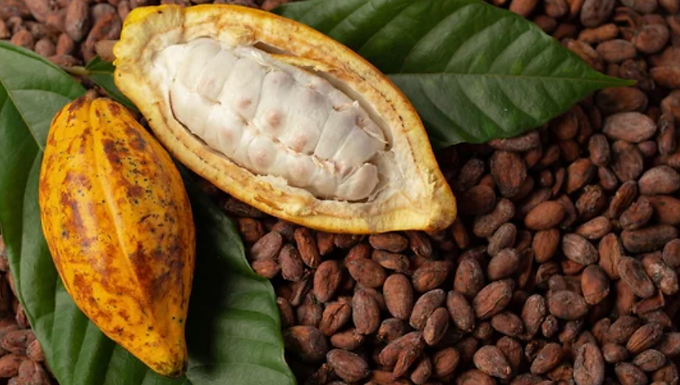
Appearance: Small tropical tree with glossy leaves and large colorful pods containing cocoa beans
About the Plant
The cocoa tree (Theobroma cacao) is a tropical evergreen plant best known for producing cocoa beans used to make chocolate and cocoa butter. The name Theobroma means “food of the gods”, reflecting the plant’s historical and cultural importance.
Cocoa butter is extracted from the fermented and roasted cocoa beans found inside the tree’s large pods. This natural fat has been used for centuries in food, medicine, and skincare because of its rich texture and nourishing properties.
The cocoa tree grows primarily in tropical regions around the equator, including parts of:
Central America
South America
West Africa
Southeast Asia
Today, cocoa butter is widely used in cosmetics and skincare products.
How does this plant grows?
Cocoa trees thrive in warm, humid tropical environments.
Seed germination – cocoa seeds sprout within 1–2 weeks
Seedling stage – young plants develop broad leaves
Tree maturation – trees begin producing flowers after 3–5 years
Flowering stage – small pink or white flowers grow directly on the trunk
Pod formation – large cocoa pods develop containing cocoa beans
Skin Care Benefits
Cocoa butter is widely used in skincare because of its rich moisturizing and protective properties.
Deep Moisturizing - Cocoa butter is an excellent emollient that helps hydrate and soften dry skin.
Skin Barrier Protection - The butter forms a protective layer that helps prevent moisture loss.
Antioxidant Protection - Polyphenols and flavonoids help protect skin from environmental stress and free radicals.
Improved Skin Elasticity - Cocoa butter may support skin elasticity and reduce the appearance of stretch marks.
Soothing Dry or Sensitive Skin - Its nourishing fatty acids help calm irritated or rough skin.
Cocoa butter is commonly found in:
body lotions
moisturizing creams
lip balms
body butters
stretch mark creams
Reasons People Use Cocoa Tree in Skincare
Cocoa butter is popular in cosmetic products because it is:
• Rich in nourishing fatty acids
• Highly moisturizing
• Naturally derived from a plant source
• Suitable for dry or sensitive skin
• Effective at improving skin softness and texture
It is particularly valued in body care products designed for dry skin.
Clinical Findings
Scientific research has explored several dermatological benefits of cocoa butter.
Skin Hydration - Studies show cocoa butter improves skin moisture retention due to its high lipid content.
Antioxidant Effects - Cocoa polyphenols have been shown to help protect skin cells from oxidative damage.
Skin Elasticity -Some research suggests cocoa butter may help improve skin elasticity and reduce signs of aging.
Protective Barrier Function - Cocoa butter’s fatty acids help support the skin’s natural barrier.
The Science
Cocoa butter is composed primarily of natural fats and antioxidants.
Main fatty acids
• Stearic acid
• Oleic acid
• Palmitic acid
These fatty acids contribute to cocoa butter’s:
smooth texture
high stability
moisturizing properties
Cocoa butter also contains polyphenols, which provide antioxidant benefits that help protect the skin from environmental damage.
The butter is extracted by pressing cocoa liquor, separating the fat from cocoa solids.
Ancient Medicine Usage
Cocoa has been used for thousands of years in traditional cultures.
Mayan Civilization - The Maya cultivated cacao and used it in beverages, medicinal preparations, and rituals.
Aztec Culture - Cacao was considered a sacred plant and was used in healing remedies and ceremonial drinks.
Traditional Medicine - Cocoa butter was used as a skin moisturizer and healing ointment for dry or damaged skin.
Its long history of use helped establish cocoa butter as a valuable botanical ingredient.
Symbolism of this Plant
The cocoa tree holds symbolic meaning in many cultures.
Abundance and prosperity - Cacao beans were historically used as currency in ancient Mesoamerican cultures.
Pleasure and comfort - Because cacao is associated with chocolate, it symbolizes indulgence and happiness.
Sacred nourishment - The name Theobroma (“food of the gods”) reflects its revered status in ancient cultures.
References
Information based on research and publications from:
USDA Plant Database – Theobroma cacao
Journal of Agricultural and Food Chemistry – Cocoa polyphenol research
International Journal of Cosmetic Science – Natural fats in skincare
Handbook of Cosmetic Science and Technology
Historical sources on cacao use in Mesoamerican cultures